Villa Cisano holds centuries of Garda history in its heart.
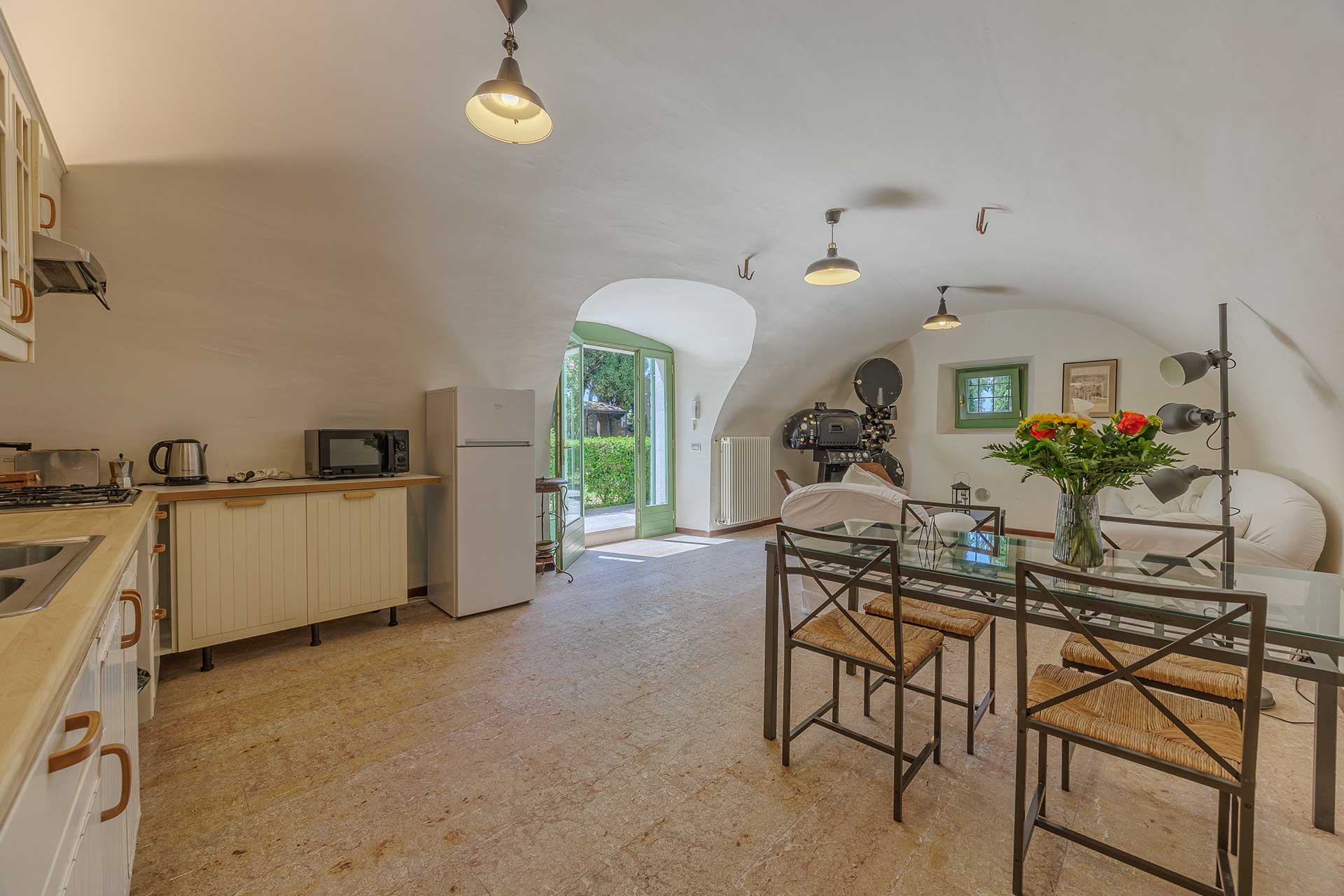
Built in the 16th century as a rural farmhouse overlooking the ancient port of Cisano, it was for a long time the home of families dedicated to the land. On the lower floor there were cellars for wine, oil, grain and agricultural tools. A majestic stone basin used for decanting oil is still visible today, perfectly preserved.
In the 18th century, the structure was expanded with a first rustic body added to the facade. During the 19th century, the villa underwent further transformations: the dovecote, already present since the beginning, was renovated, and two small buildings for the servants were added. These interventions reflected the evolution of the villa from a simple agricultural residence to a more complex dwelling.
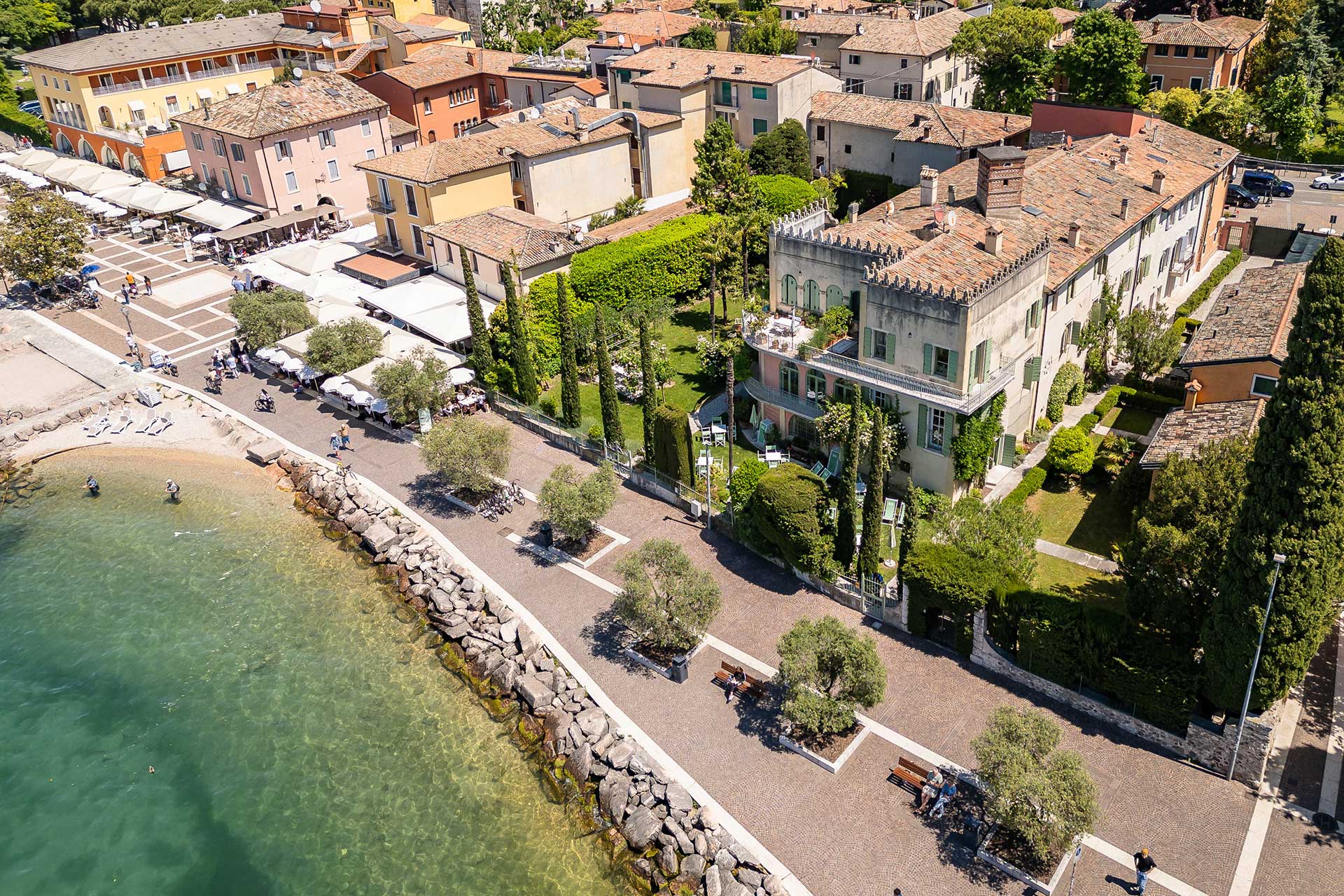
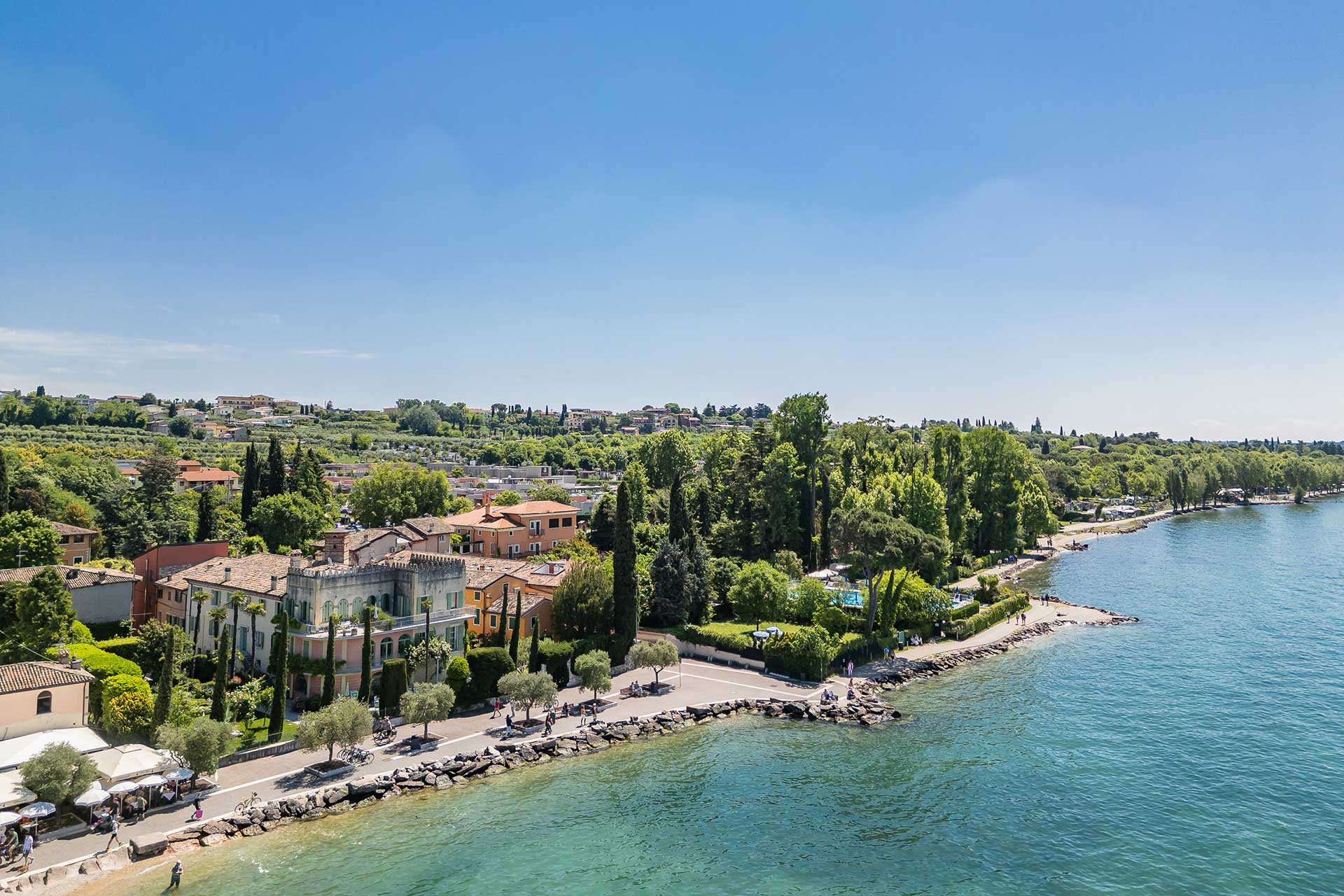
Over time, Lake Garda transformed from an agricultural territory to an elegant tourist destination. Thus, at the beginning of the twentieth century, Villa Cisano adapted to the new taste: a semicircular façade with decorative battlements was built and wrought iron railings in the Art Deco style were installed.
During the Second World War, the villa was requisitioned and used as accommodation by German officers first, and then by Americans. After the war, with the explosion of tourism, Villa Cisano became one of the most portrayed subjects in illustrated postcards.
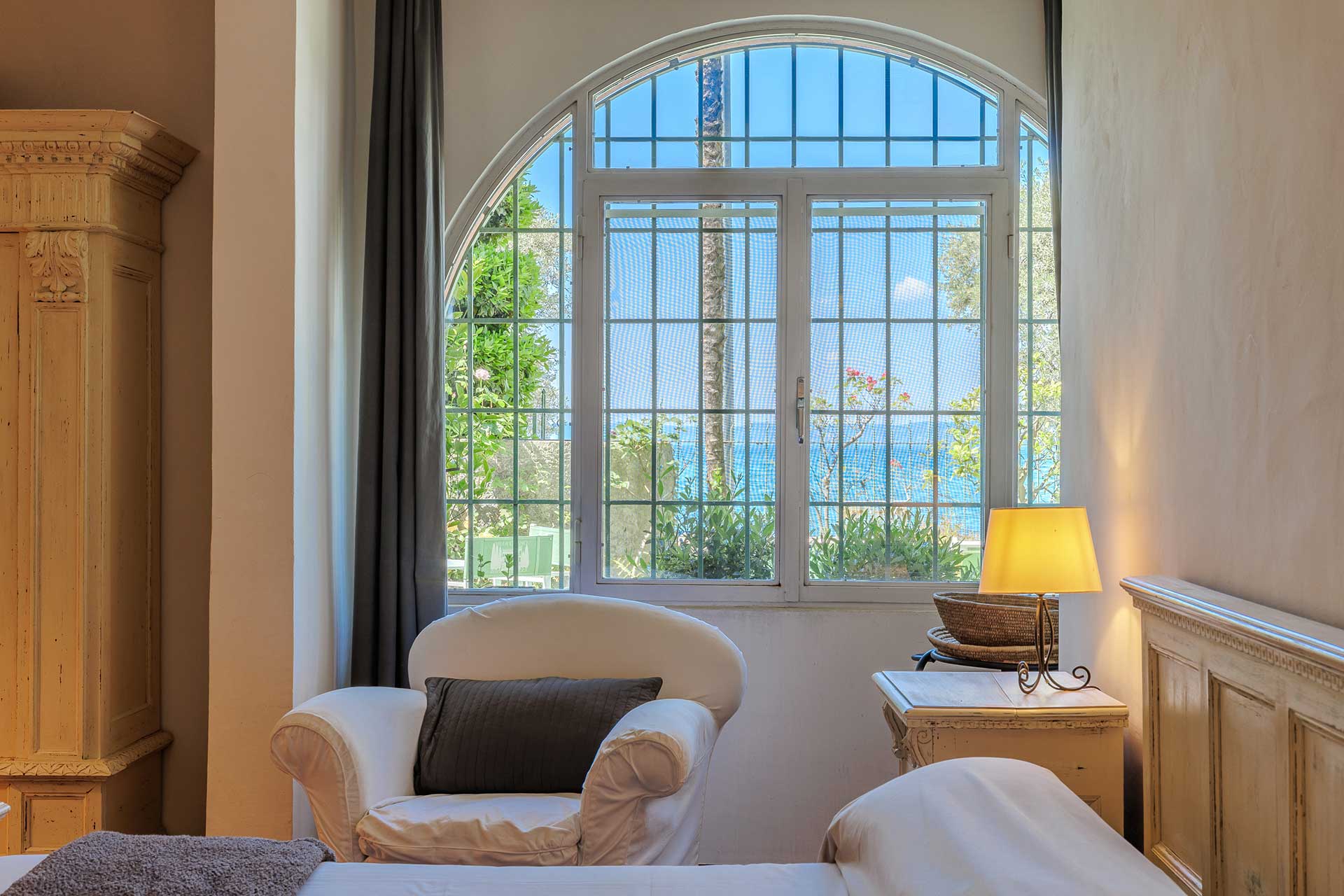
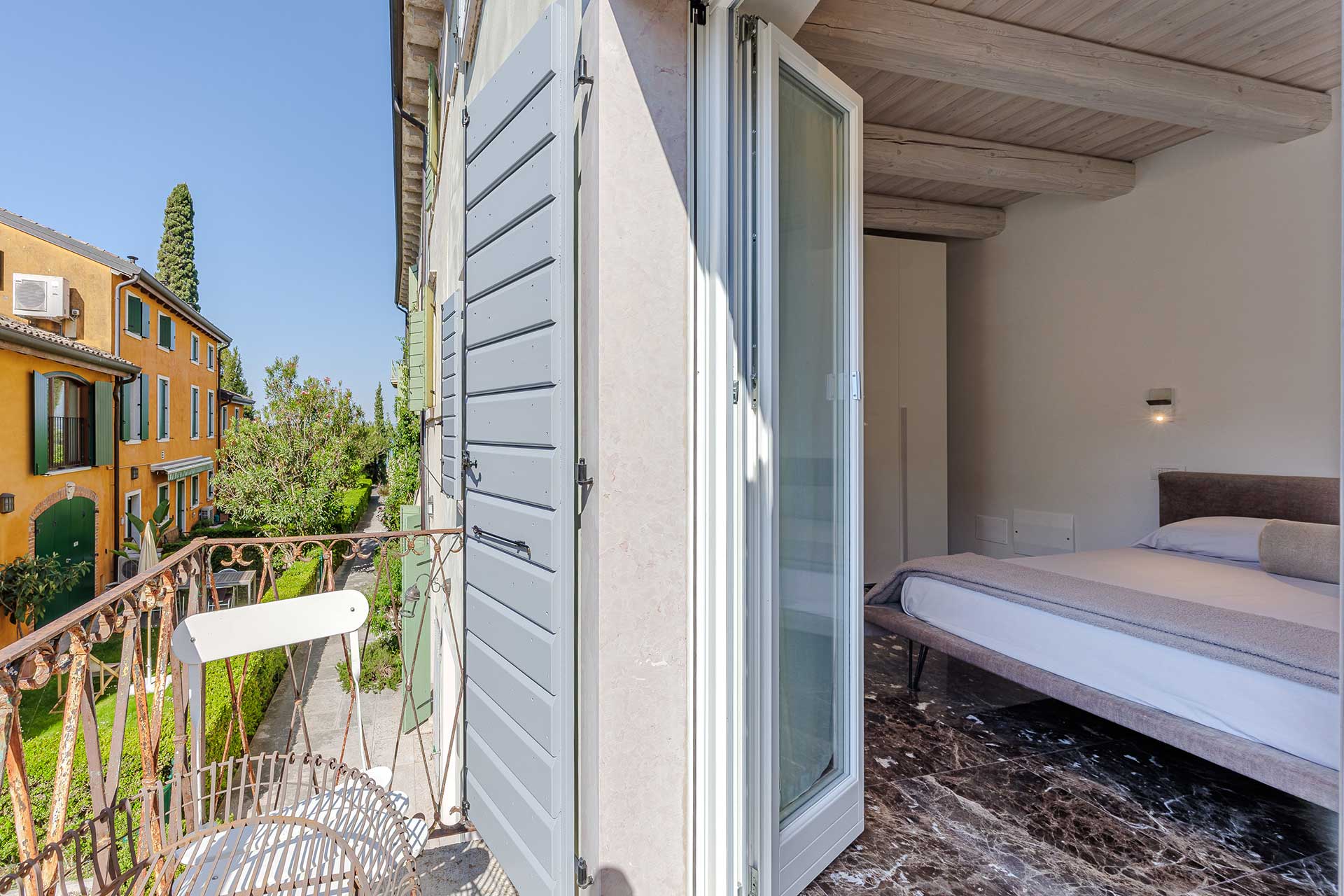
In 1995, it was purchased by the Zaninelli family, who oversaw a meticulous and philological restoration, recovering original materials and enhancing every historical element: from the marble and travertine floors to the exposed beams.
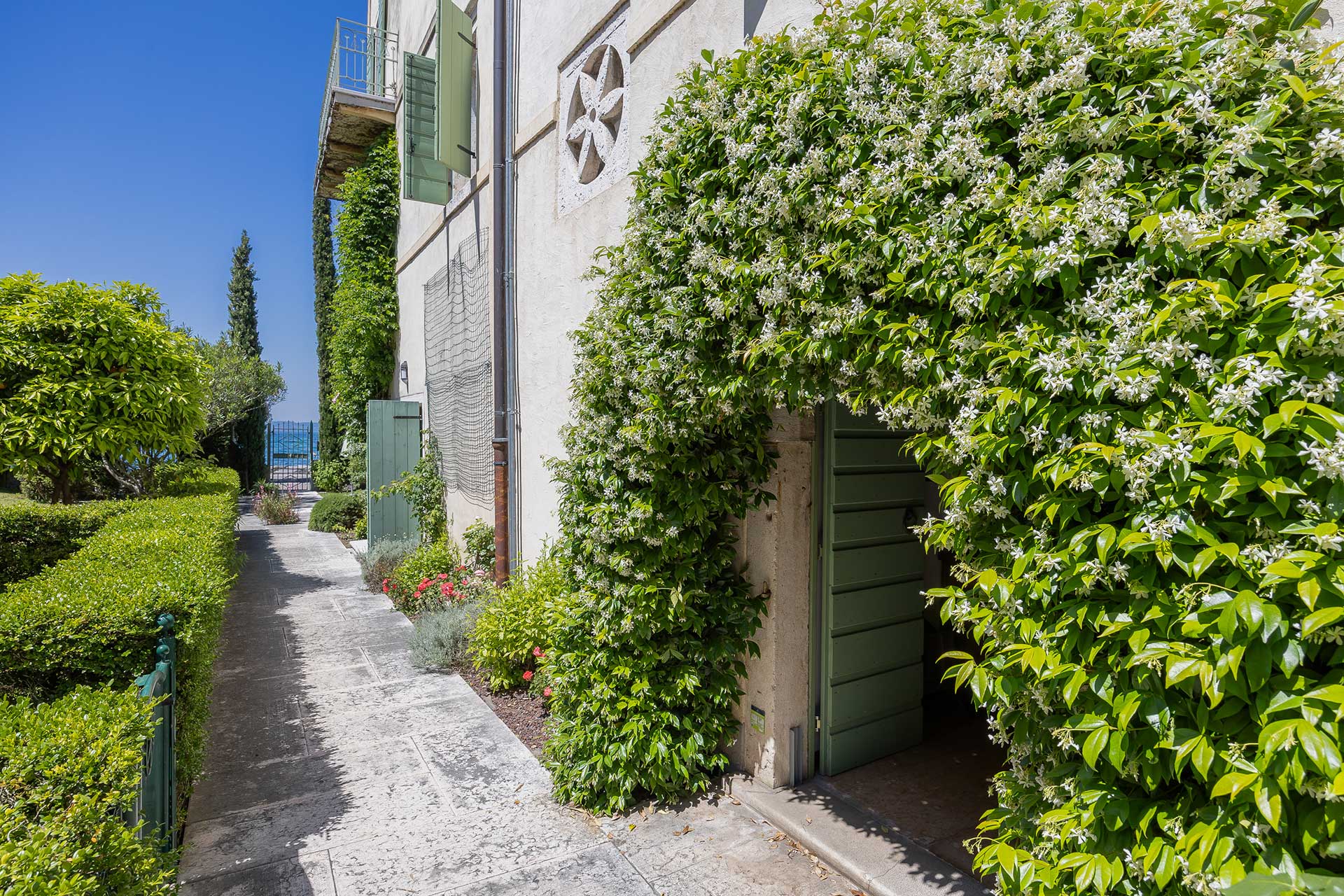
Finally, in 2019, a violent atmospheric event hit the area, irreparably damaging the historic trees of the park. The current owner, Martina Zaninelli, led the restoration of the lakefront garden, recreating its original harmony with careful ecological and landscape work.
Today Villa Cisano is not just a period residence, but a living place, which welcomes its guests in the authentic beauty of a history that continues, without ever forgetting its roots.